
Preparing Your Business for the 2024 Hurricane Season: Essential Tips
 As hurricane season approaches, businesses must take proactive steps to ensure they can weather the storm and quickly recover in the aftermath. A well-prepared business is not only more resilient but also better positioned to protect employees, minimize financial losses, and continue operations. Here are essential tips for businesses to prepare for hurricane season:
1. Develop a Comprehensive Emergency Plan
- Identify Key Personnel: Determine who will be responsible for executing the emergency plan. This team should include members from various departments to cover all critical areas.
- Establish Communication Protocols: Ensure you have up-to-date contact information for all employees and stakeholders. Implement a system for regular updates via email, text, or a dedicated hotline.
- Create an Evacuation Plan: Designate evacuation routes and meeting points. Conduct regular drills to ensure everyone knows the procedure.
- Plan for Continuity of Operations: Identify essential business functions and create a plan to maintain these operations during and after the hurricane.
2. Backup and Secure Important Data
- Regular Backups: Schedule automatic backups of all critical data to a secure offsite location or cloud storage.
- Data Security: Ensure all sensitive information is encrypted and protected with strong passwords. Consider using multi-factor authentication for additional security.
3. Safeguard Physical Assets
- Protect the Building: Install storm shutters or plywood to protect windows and doors. Reinforce the roof and ensure drainage systems are clear.
- Secure Equipment: Move valuable equipment and inventory to higher ground or a secure location. Anchor heavy furniture and equipment that could become hazards.
- Document Assets: Maintain an up-to-date inventory of all physical assets, including photographs, videos, and serial numbers, to facilitate insurance claims if needed.
4. Review and Update Insurance Coverage
- Check Policies: Ensure your insurance covers hurricane-related damages, including wind, flood, and business interruption.
- Understand the Details: Familiarize yourself with the terms, limits, and exclusions of your policies. Consider purchasing additional coverage if necessary. If it is necessary, contact your insurance agent as soon as possible. In most cases insurance carriers will issue a moratorium on policy changes and binding new coverage when a hurricane is imminent.
5. Establish a Communication Plan
- Internal Communication: Keep employees informed about safety measures, operational changes, and updates during and after the storm.
- External Communication: Maintain communication with customers, suppliers, and partners. Use your website, social media, and other channels to provide updates on your status and any changes to your services.
6. Prepare an Emergency Kit
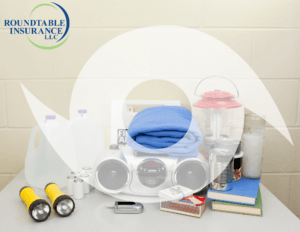
- Essential Supplies: Stock up on non-perishable food, water, first aid supplies, flashlights, batteries, and other essentials.
- Employee Provisions: If your business operates during the storm, ensure you have adequate supplies for employees who may need to stay on-site. Include items like a weather radio and generator.
7. Conduct Regular Training and Drills
- Training Programs: Provide regular training sessions on emergency procedures and disaster response.
- Drills: Conduct regular drills to ensure employees are familiar with evacuation routes, emergency contacts, and safety protocols.
8. Monitor Weather Updates
- Stay Informed: Use reliable sources, such as the National Hurricane Center, to monitor weather updates and alerts. Sign up for local emergency notifications.
- Timely Actions: Be ready to implement your emergency plan as soon as a hurricane warning is issued.
9. Plan for Post-Hurricane Recovery
- Damage Assessment: Conduct a thorough assessment of your property and document any damage for insurance claims.
- Business Continuity: Have a plan in place to resume operations as quickly as possible. Consider temporary office space or remote work options.
- Support Employees: Provide resources and support for employees who may have been affected by the hurricane.
10. Evaluate and Improve
- Post-Event Review: After the hurricane season, review your emergency plan and response. Identify areas for improvement and update your plan accordingly.
- Ongoing Preparedness: Maintain a culture of preparedness. Regularly update your plan, train employees, and conduct drills to ensure ongoing readiness.
By taking these steps, businesses can significantly mitigate the impact of hurricanes and ensure a quicker, more efficient recovery. Preparedness is not just a one-time effort but an ongoing process that can protect your business and its most valuable assets—your people.
These tips provide a comprehensive guide for businesses to prepare for hurricane season. If you have any specific concerns regarding your insurance coverage, please give us a call. We’re happy to offer a no cost policy review and assessment.


