Why Paint Overspray Claims Can Cost Thousands (And How Professional Painting Contractors Can Prevent Them)
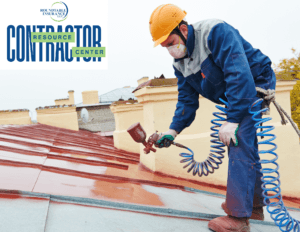 A perfect paint job can earn referrals for years.
One overspray incident can undo that reputation in a single afternoon.
Whether you’re painting custom homes, apartment communities, commercial buildings, or industrial facilities, overspray is one of the most common—and most preventable—sources of property damage claims.
A gust of wind can carry paint onto neighboring vehicles. Inadequate masking can damage expensive windows or landscaping. Nearby businesses may even seek compensation if overspray disrupts their operations.
Many contractors assume these are “small claims”, covered by their painting contractor insurance. Unfortunately, cleanup costs, legal expenses, and customer dissatisfaction can quickly turn a minor mistake into a costly loss.
Let’s look at the most common causes of overspray claims and how professional painting contractors can reduce the risk.
What Is Paint Overspray?
Paint overspray occurs when airborne paint particles land on surfaces that were never intended to be painted.
Examples include:
- Vehicles
- Windows
- Brick and masonry
- Roofing
- HVAC equipment
- Landscaping
- Outdoor furniture
- Neighboring buildings
- Sidewalks
- Swimming pools
Even microscopic paint particles can require specialized cleaning or replacement.
The Most Common Causes of Overspray Claims
1. Painting During Windy Conditions
Wind is the number one cause of overspray.
A light breeze can carry paint much farther than expected, especially when spraying large commercial buildings.
Professional painters should monitor weather conditions before spraying begins.
2. Inadequate Masking and Surface Protection
Masking saves far more money than it costs.
Windows, doors, landscaping, vehicles, HVAC units, sidewalks, and adjacent structures should be protected before spraying starts.
A few extra minutes of preparation can prevent thousands of dollars in property damage.
3. Poor Jobsite Planning
Many overspray claims occur because contractors focus only on the immediate work area.
Instead, evaluate the entire jobsite.
Ask questions like:
- Are vehicles parked nearby?
- Is there active pedestrian traffic?
- Are neighboring businesses open?
- Are HVAC systems operating?
- Could changing weather conditions affect the project?
4. Improper Spray Equipment Setup
Incorrect spray pressure, worn spray tips, or poorly maintained equipment can create excessive airborne paint particles.
Routine equipment inspections improve both finish quality and jobsite safety.
5. Inexperienced Employees
Many overspray claims involve newer employees who haven’t received proper training.
Every painter should understand:
- Equipment operation
- Wind limitations
- Surface preparation
- Masking procedures
- Emergency cleanup procedures
Training isn’t just a safety investment—it’s a customer service investment.
From the Underwriter’s Desk
Insurance underwriters look beyond claim history. They want to know how your company prevents claims.
Painting contractors with written safety procedures, employee training programs, equipment maintenance schedules, documented jobsite inspections, and consistent quality control practices often present a stronger overall risk profile than contractors who rely solely on experience.
Risk management doesn’t guarantee lower premiums, but it demonstrates that your business takes loss prevention seriously.
How Professional Painters Reduce Overspray Risk
Successful painting contractors often:
- Monitor weather forecasts before spraying
- Suspend spraying during unsafe wind conditions
- Use proper masking materials
- Protect surrounding property
- Inspect equipment before every project
- Train every employee on overspray prevention
- Document jobsite conditions
- Communicate with property owners before work begins
These practices protect your customer, your reputation, and your business.
Overspray Prevention Checklist
Before every spray project, ask yourself:
Wind conditions have been evaluated.
Neighboring vehicles have been relocated or protected.
Windows and doors are masked.
Landscaping is covered.
HVAC units are protected.
Equipment has been inspected.
Employees understand the spray plan.
Customer expectations have been reviewed.
Jobsite photos have been taken.
Emergency cleanup materials are available.
Frequently Asked Questions
Is paint overspray considered property damage?
Yes. If overspray damages another person’s property, it may result in a property damage claim, depending on the circumstances and the terms of your insurance policy.
Does General Liability automatically cover overspray?
Not always. Coverage depends on the facts of the incident and the specific policy language. Contractors should review their policy with their insurance advisor to understand what is and isn’t covered.
How can painting contractors reduce overspray claims?
The most effective methods include monitoring weather conditions, properly masking surfaces, maintaining spray equipment, training employees, and documenting the jobsite before work begins.
Should I photograph every project?
Yes. Taking before-and-after photographs can help document existing conditions and provide valuable evidence if questions arise after the job is complete.
How often should painters review their insurance coverage?
At least once each year—or anytime your business expands, adds employees, purchases new equipment, or begins performing larger commercial projects.
Professional painting is about more than applying a quality finish. It’s about protecting your customer’s property, maintaining your reputation, and managing risk throughout every project.
While no contractor can eliminate every risk, thoughtful planning, employee training, and a well-designed insurance program can help reduce the financial impact of unexpected incidents.
At Roundtable Insurance, we work with established painting contractors throughout the Southeast to identify coverage gaps, review contract requirements, and develop insurance programs that support long-term growth—not just annual renewals.
Welcome to the Table
At Roundtable Insurance, we believe the best insurance conversations happen before a claim—not after one.
Through the Roundtable Contractor Resource Center, we’re committed to helping contractors make informed decisions, reduce risk, and build stronger businesses.
Whether you’re reviewing your insurance, bidding larger projects, or planning your next phase of growth, we’re here to help you protect what you’ve worked hard to build.
Schedule your complimentary Contractor Risk Review today.


