Dust Damage Claims Every Drywall Contractor Should Understand — And How to Help Prevent Them
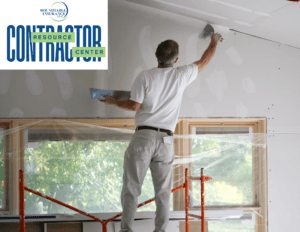 Drywall work is messy by nature.
Cutting, sanding, finishing, patching, and demolition can all create dust. On a new construction site, that may be expected. But in an occupied home, office, restaurant, retail space, medical office, or finished building, drywall dust can quickly become a serious problem.
Dust can travel farther than expected.
It can settle into HVAC systems.
It can cover furniture, electronics, inventory, flooring, countertops, and personal belongings.
It can trigger customer complaints, cleanup costs, project delays, and disputes over who is responsible.
For established drywall contractors, dust control is not just about keeping the jobsite clean. It is about protecting your reputation, reducing claims, and showing customers that your company operates professionally.
Why Drywall Dust Claims Happen
Drywall dust claims usually happen when dust travels beyond the expected work area or damages property that was not supposed to be affected.
Common causes include:
- Poor containment
- Inadequate plastic sheeting or barriers
- HVAC systems left running
- Sanding in occupied spaces
- Cutting or demolition near finished surfaces
- Failure to protect furniture, equipment, or inventory
- Incomplete cleanup
- Poor communication with the customer
- Lack of photos or documentation before work begins
Many dust claims are preventable with better planning and clearer expectations.
1. Dust Can Travel Farther Than Contractors Expect
Drywall dust is fine, light, and easy to move.
Even when work is limited to one room, dust can spread into hallways, vents, adjacent rooms, and common areas. If the jobsite is occupied or partially finished, the risk becomes even greater.
This is especially important in:
- Medical offices
- Restaurants
- Retail stores
- Office buildings
- Apartment communities
- Hotels
- Schools
- Homes with finished furniture and electronics
The more sensitive the environment, the more important dust control becomes.
A small drywall repair in an occupied building may require more planning than a larger job in a vacant construction space.
2. HVAC Systems Can Turn a Small Problem Into a Big Claim
One of the most overlooked drywall dust exposures is the HVAC system.
If air conditioning or heating is running while sanding or demolition work is being performed, dust can be pulled into the system and spread throughout the building.
This may lead to complaints involving:
- Dust on furniture
- Dust in vents
- Dust on electronics
- Dust in customer areas
- Air quality concerns
- Professional cleaning costs
- HVAC cleaning or inspection requests
Before beginning dusty work, contractors should discuss whether the HVAC system should be shut off, protected, or isolated during the project.
3. Occupied Buildings Require a Higher Level of Protection
Drywall contractors often perform work in spaces where people are still living, working, shopping, eating, or receiving services.
That changes the risk.
In an occupied building, the contractor is not only protecting the wall being repaired. The contractor is also protecting the customer’s operations, belongings, employees, tenants, guests, and reputation.
For example:
- A restaurant may be concerned about dust near food preparation or dining areas.
- A medical office may be concerned about patient areas and sensitive equipment.
- A retail store may be concerned about merchandise.
- A homeowner may be concerned about furniture, electronics, and personal items.
- A hotel may be concerned about guest complaints.
The more active the space, the more important containment, scheduling, and communication become.
4. Cleanup Expectations Should Be Discussed Before Work Begins
Many disputes happen because the contractor and customer have different definitions of “clean.”
The contractor may believe the job is clean once visible debris is removed.
The customer may expect the space to look exactly as it did before work started.
Before starting the project, drywall contractors should clearly explain:
- What areas will be protected
- What areas may be affected
- Whether the building will remain occupied
- Whether professional cleaning is included
- Whether the customer must move furniture or equipment
- Whether vents, doors, or openings will be covered
- What level of cleanup is included in the scope
Clear expectations can reduce frustration after the work is complete.
5. Documentation Can Make or Break a Dispute
Before beginning work, drywall contractors should document the condition of the space.
Photos and notes can help show:
- Existing dust or damage
- Furniture and equipment locations
- What surfaces were protected
- What containment was installed
- Whether the area was occupied
- Whether vents were covered
- Whether the customer approved the work area setup
If a complaint arises later, documentation helps everyone understand what happened.
Without documentation, the dispute often becomes one person’s word against another’s.
From the Underwriter’s Desk
Insurance underwriters often look for more than a clean loss history.
They want to know whether a contractor has processes in place to prevent claims.
Drywall contractors who use written jobsite procedures, train employees on dust containment, document project conditions, protect adjacent property, and communicate clearly with customers may present a stronger risk profile than contractors who rely only on experience.
A strong risk management process does not guarantee lower premiums, but it can help show that your company takes loss prevention seriously.
How Drywall Contractors Can Reduce Dust Damage Claims
Professional drywall contractors can reduce dust-related risks by building repeatable procedures into every project.
Consider these best practices:
1. Inspect the Jobsite Before Work Begins
Walk the space before cutting, sanding, or demolition begins.
Look for:
- Open vents
- Nearby electronics
- Furniture
- Inventory
- Customer property
- Flooring
- Open doorways
- Shared hallways
- Sensitive work areas
This helps determine the level of protection needed.
2. Use Proper Containment
Containment may include plastic sheeting, zip walls, temporary barriers, tape, floor protection, door covers, or sealed work zones.
The goal is to keep dust inside the work area and away from finished spaces.
3. Discuss HVAC Protection
Before dusty work begins, determine whether vents should be covered, filters should be changed, or the HVAC system should be turned off temporarily.
This should be discussed with the property owner, general contractor, or building manager.
4. Protect Customer Property
Furniture, equipment, flooring, countertops, merchandise, and other property should be moved or covered when appropriate.
If the customer is responsible for moving certain items, document that responsibility before work begins.
5. Use Dust-Reducing Tools When Practical
Dust extraction systems, vacuum-assisted sanders, and proper cleanup equipment can help reduce airborne dust.
The right tools can improve both job quality and customer satisfaction.
6. Communicate With the Customer
Before starting work, explain what the customer should expect.
This includes noise, dust, restricted areas, cleanup, and any customer responsibilities.
Good communication can prevent surprise and frustration.
7. Keep Project Records
Save photos, notes, emails, signed work authorizations, change orders, and cleanup documentation.
If a customer complaint arises, these records may help resolve the issue more quickly.
Drywall Dust Control Checklist
Before starting dusty drywall work, ask yourself:
The work area has been inspected.
Existing damage has been photographed.
Furniture, equipment, and customer property have been moved or protected.
Floors and finished surfaces are covered.
Doorways, vents, and openings are sealed or protected when appropriate.
HVAC concerns have been discussed with the customer or building manager.
Dust containment barriers are in place.
Employees understand the dust control plan.
Cleanup expectations have been reviewed.
Final photos will be taken after cleanup is complete.
Frequently Asked Questions
Can drywall dust cause property damage?
Yes. Drywall dust can settle on furniture, electronics, flooring, inventory, HVAC systems, and finished surfaces. In some cases, cleanup can become costly, especially in occupied or sensitive spaces.
Does General Liability Insurance cover drywall dust damage?
General Liability may respond to certain covered property damage claims, but coverage depends on the policy language and the facts of the incident. It is not intended to cover every cleanup issue, workmanship dispute, or preventable jobsite problem.
Should drywall contractors turn off HVAC systems during sanding?
In many cases, contractors should at least discuss HVAC protection before sanding or demolition begins. Dust can travel through vents and affect areas far beyond the work zone.
What is the best way to prevent drywall dust claims?
The best methods include proper containment, covering vents and openings when appropriate, protecting customer property, using dust-reducing tools, documenting the work area, and setting clear cleanup expectations.
Do drywall contractors need special insurance?
Most drywall contractors should consider General Liability, Workers’ Compensation, Commercial Auto, Contractors Equipment or Inland Marine, and Umbrella Liability when appropriate. The right insurance program depends on the size of the business, the work performed, and contract requirements.
How often should drywall contractors review their insurance?
At least once a year, and any time the business adds employees, purchases equipment, starts larger commercial projects, or signs contracts with new insurance requirements.
Drywall dust may seem like a normal part of the job, but to a customer, it can feel like property damage, disruption, and poor service.
Dust control should be treated as part of the project plan.
Professional drywall contractors protect more than the wall they are repairing. They protect the customer’s space, property, operations, and confidence.
By improving containment, communication, documentation, and cleanup procedures, drywall contractors can reduce customer complaints and avoid preventable claims.
At Roundtable Insurance, we work with established drywall contractors and artisan trade businesses throughout the Southeast to identify coverage gaps, review contract requirements, and build insurance programs that support long-term growth.
Welcome to the Table
At Roundtable Insurance, we believe the best insurance conversations happen before a claim — not after one.
Through the Roundtable Contractor Resource Center, we are committed to helping contractors make informed decisions, reduce risk, and build stronger businesses.
Whether you are reviewing your current insurance program, bidding larger projects, or planning for your next stage of growth, our team is here to help you protect everything you have worked hard to build.
Schedule your complimentary Contractor Risk Review today.


