National Fire Prevention Month: Practical Fire Safety Tips for Every Business
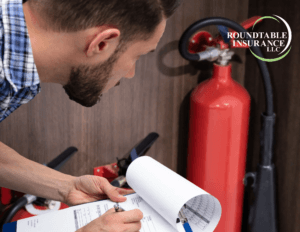 October is National Fire Prevention Month, making it an ideal time for business owners to review one of the most important parts of workplace safety: preventing fires before they start.
A commercial fire can develop quickly and affect employees, customers, equipment, inventory, and an entire building. Even a relatively small fire can interrupt operations for days or weeks because of smoke damage, water damage, cleanup, inspections, and repairs.
The good news is that many workplace fire hazards can be identified and addressed through routine maintenance, employee training, proper storage practices, and good housekeeping.
Here are practical fire prevention steps businesses can take, along with additional considerations for several industries with unique fire exposures.
Fire Prevention Tips for Every Business
1. Identify Your Major Fire Hazards
Every business should know where its greatest fire risks are located.
Common hazards include electrical equipment, overloaded outlets, extension cords, heating equipment, combustible materials, flammable liquids, cooking equipment, machinery, smoking areas, and improperly stored waste.
Businesses should periodically walk through their property specifically looking for potential ignition sources and combustible materials located nearby.
OSHA guidance for workplace fire prevention plans emphasizes identifying major fire hazards, properly handling and storing hazardous materials, controlling ignition sources, managing combustible waste, and maintaining equipment designed to prevent fires.
2. Inspect Electrical Equipment
Damaged wiring, overloaded circuits, improper extension-cord use, and malfunctioning electrical equipment can create serious fire hazards.
Employees should be encouraged to report:
- Frayed or damaged cords
- Hot or discolored outlets
- Frequently tripped breakers
- Sparking equipment
- Unusual electrical or burning odors
- Extension cords being used as permanent wiring
Electrical panels should also remain accessible and should never be blocked by inventory, furniture, or storage.
3. Maintain Fire Protection Equipment
Fire extinguishers, sprinkler systems, fire alarms, emergency lighting, and other fire protection systems should be inspected and maintained according to applicable requirements and manufacturer recommendations.
Employees should also know where extinguishers and emergency exits are located.
A fire extinguisher hidden behind inventory or an emergency exit blocked by boxes can become a major problem when seconds matter.
4. Develop a Fire Prevention and Emergency Plan
Businesses should establish procedures for preventing fires and responding when one occurs.
The plan should address evacuation routes, employee responsibilities, emergency contacts, hazardous materials, ignition sources, fire protection equipment, and procedures for employees and customers who may need assistance evacuating.
Employees should receive fire safety training when hired and periodic refresher training thereafter.
Fire Prevention for Restaurants and Commercial Kitchens
Restaurants face significant fire hazards because cooking equipment combines heat, open flames, grease, electrical equipment, and combustible materials in a concentrated area.
Commercial kitchens should have an appropriate fire-suppression system—often referred to by the well-known ANSUL brand or as a wet-chemical kitchen suppression system—protecting applicable cooking equipment, hoods, and exhaust systems.
Just as important, restaurant operators should establish documented inspection and maintenance schedules.
NFPA 96 addresses the operation, inspection, testing, cleaning, and maintenance of commercial cooking ventilation and fire-protection systems. Grease accumulation should be taken seriously because grease inside hoods, filters, fans, and ductwork can provide fuel for a rapidly spreading fire.
Restaurant operators should also:
- Keep cooking equipment and surrounding areas free of excessive grease.
- Maintain hood and exhaust-cleaning schedules appropriate for the operation.
- Have suppression systems professionally inspected and serviced as required.
- Keep appropriate Class K extinguishers accessible.
- Train employees on emergency procedures and manual suppression-system activation.
- Never operate cooking equipment when required exhaust or fire-suppression systems are impaired.
Fire Prevention for Auto Repair and Service Shops
Auto repair facilities often have an entirely different fire exposure: fuels, oils, solvents, paints, batteries, welding equipment, vehicle electrical systems, and other flammable or combustible materials.
Flammable liquids should be stored in approved containers and appropriate storage areas or cabinets. Used oily rags and combustible waste should not simply accumulate around work areas.
Repair shops should pay particular attention to ignition sources near fuel, solvents, and vapors.
Hot work—including welding, cutting, and grinding—should be carefully controlled, with combustible materials removed from the immediate area and appropriate fire protection available.
Good housekeeping is particularly important in automotive facilities. Oil spills, discarded materials, cardboard, used parts, and clutter can significantly increase the amount of combustible material available if a fire starts.
Fire Prevention for Contractors
Contractors face changing fire hazards as projects progress.
Temporary electrical systems, portable heaters, generators, fuel, welding, cutting equipment, lumber, construction debris, and flammable products can all contribute to jobsite fires.
Contractors should establish rules for hot work, fuel storage, smoking, temporary heating equipment, and daily debris removal.
Before employees leave a jobsite, supervisors should consider conducting an end-of-day fire-safety walkthrough. Temporary equipment should be shut down where appropriate, combustible debris removed, and hot-work areas checked for remaining heat or smoldering material.
Fire Prevention for Hotels and Hospitality Businesses
Hotels have an additional challenge: protecting employees and guests who may be unfamiliar with the property.
Emergency exits and stairwells should remain clearly marked and unobstructed. Fire doors should not be improperly propped open, and alarms, emergency lighting, sprinkler systems, and extinguishers should receive appropriate inspections and maintenance.
Hotels with restaurants, laundry operations, maintenance shops, or commercial kitchens should also evaluate the additional fire hazards created by those operations.
Employee training is especially important because staff members may be among the first people guests look to for direction during an emergency.
Fire Prevention for Retail Stores and Warehouses
Retailers and warehouses should pay close attention to how inventory is stored.
Combustible merchandise, cardboard, packaging materials, pallets, and seasonal inventory can significantly increase fire load.
Keep aisles and exits clear, maintain appropriate clearance around sprinkler systems, avoid unsafe electrical practices, and prevent excessive accumulation of cardboard and packaging materials.
Storage rooms should receive the same fire-safety attention as customer-facing areas.
Make Fire Prevention Part of Routine Operations
Fire prevention should not be something a business reviews only after an inspection or an incident.
Consider incorporating fire safety into monthly facility inspections. Review extinguishers, exits, electrical equipment, storage areas, housekeeping, emergency lighting, cooking equipment, and other hazards relevant to the business.
Document inspections, maintenance, employee training, and corrective actions. Good documentation helps management identify recurring problems and creates accountability for addressing them.
Fire prevention ultimately comes down to three questions:
What could start a fire? What could allow that fire to spread? And what systems or procedures are in place to stop it?
Answering those questions regularly can help create a safer workplace throughout October and all year long.
Frequently Asked Questions About Fire Prevention in Businesses
What are the most common fire hazards in a business?
Common workplace fire hazards include electrical problems, cooking equipment, heating equipment, flammable liquids, combustible waste, smoking materials, hot work, overloaded outlets, and improperly maintained machinery.
How often should a business review its fire prevention procedures?
Fire prevention should be reviewed regularly and whenever operations, equipment, building layouts, or hazards change. Businesses can also incorporate basic fire-safety checks into monthly facility inspections.
What fire protection equipment should a business have?
Requirements vary based on the building, occupancy, operations, and local fire codes. Depending on the business, protection may include portable fire extinguishers, alarms, sprinkler systems, commercial kitchen suppression systems, emergency lighting, and specialized extinguishing equipment.
What is an ANSUL system in a restaurant?
ANSUL is a widely recognized brand of commercial kitchen fire-suppression equipment. The term is sometimes used informally to describe automatic wet-chemical suppression systems designed to protect commercial cooking equipment, hoods, plenums, and duct systems. Businesses should follow the requirements applicable to their specific installed system.
Why is proper storage of flammable materials important in auto repair shops?
Automotive operations frequently use fuels, solvents, oils, paints, and other combustible or flammable materials. Proper containers, storage practices, housekeeping, and separation from ignition sources can reduce the likelihood that a spill or vapor will contribute to a fire.
What should be included in a workplace fire prevention plan?
A fire prevention plan should address major fire hazards, hazardous-material handling and storage, ignition sources, combustible waste, fire-protection equipment, maintenance responsibilities, employee procedures, and other hazards specific to the operation.
Welcome to the Table
At Roundtable Insurance, helping our clients mitigate the risks facing their businesses is one of top priorities. We’re here not only to make sure you have adequate coverage once an incident occurs, but also to help prevent claims from happening.


